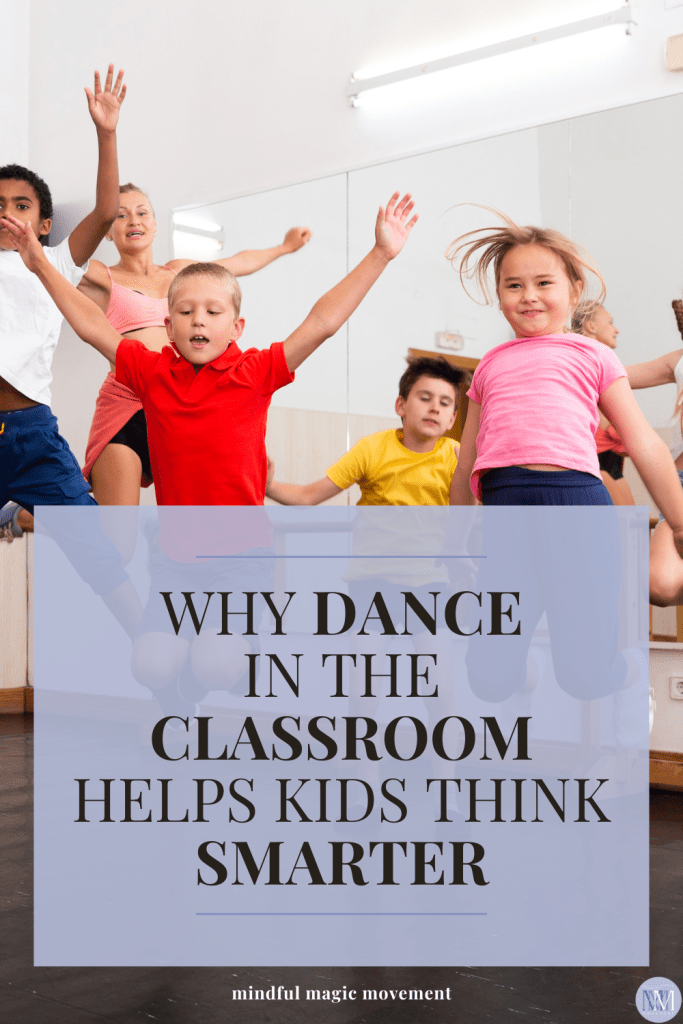
If you’ve ever watched your students light up during a movement break, or if you’ve caught them turning a hallway line-up into a mini dance party, then you already know something powerful: kids are wired to move.
But here’s something we don’t talk about enough—movement, especially dance-making, isn’t just fun. It’s not just artsy. It’s not just a “PE thing.”
It’s brain-boosting, thinking-growing, problem-solving work.
I want to share with you something that totally shifted how I see dance in the classroom—and might just change the way you think about it, too.
What the Research Says (Spoiler: It’s Not Just About Movement)
In a fascinating study called Dancing Thoughts by Dr. Miriam Giguere, fifth graders were asked to create their own dances over ten sessions. No one was taught routines. No one was told to memorize steps. Instead, they worked together to choreograph original pieces based on their ideas and interests.
What happened?
These kids weren’t just moving—they were thinking deeply.
They were:
- Generating ideas
- Organizing sequences
- Evaluating what worked and what didn’t
- Revising
- Collaborating
- Making decisions
- Solving problems
In short? They were engaging in real cognitive work.
As Dr. Giguere put it:
“Significant cognitive engagement – and consequently the opportunity for its development – takes place during the creative process in dance.”
This isn’t just “dance class.”
This is critical thinking, decision-making, and group problem-solving in action.
What This Looks Like in a Regular Classroom
Now, you might be thinking:
“That’s great… but I’m not a dance teacher. I wouldn’t know where to start.”
Friend, neither did those kids—and that’s the beauty of it.
Dance-making is accessible because it’s about ideas, not perfection.
Here’s what it can look like in your room:
- Giving students a theme (like “weather” or “feelings”) and letting them create short movement phrases to represent it
- Asking small groups to choreograph a 4-count freeze dance with a beginning, middle, and end
- Using movement to physically sequence events from a story or retell a science cycle
- Letting them perform for each other, then reflect: What did you notice? What did the movement communicate?
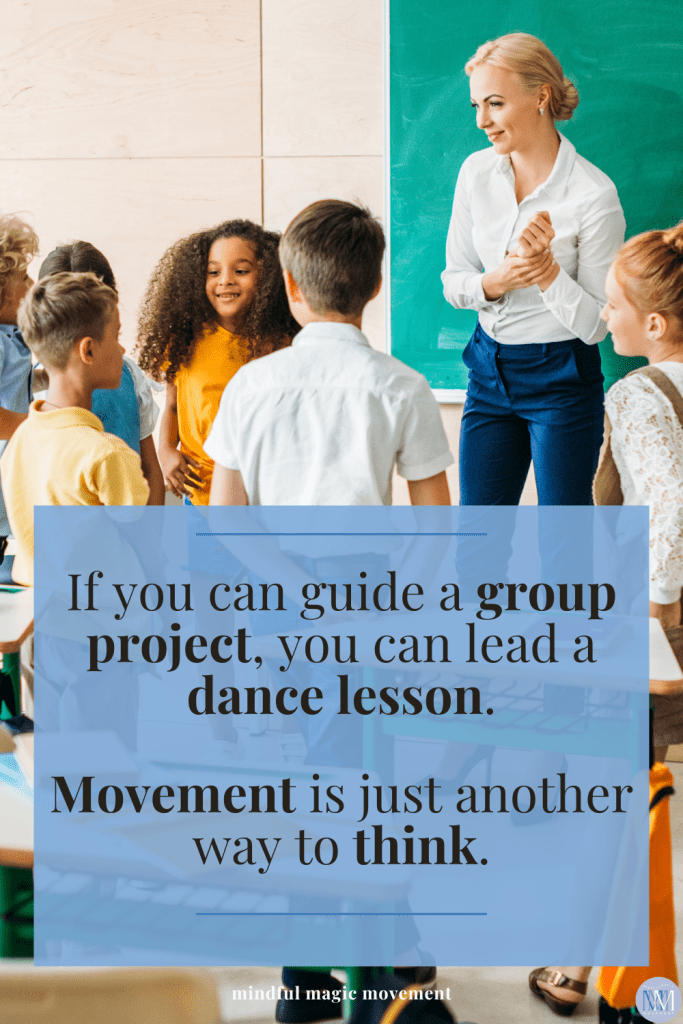
You don’t need dance training. You just need a willingness to let kids move and think at the same time.
Why It Matters
We know our students are more than test scores. We know they need opportunities to think creatively, take risks, and make decisions. We know learning happens in bodies, not just brains.
Dance offers all of that—and more:
- Critical thinking through movement choices
- Collaboration through group choreography
- Self-regulation through expression and timing
- Confidence through performance and ownership
- Joy through creativity
And honestly? You might even see a side of some students that doesn’t show up in traditional lessons—especially those who struggle with writing or speaking.
Want to Try It?
If you’re curious about bringing dance-making into your classroom, I’ve got you covered.
I’ve created a FREE beginner-friendly choreography lesson you can use tomorrow. It’s perfect for K–5 students, and you don’t need a dance background to lead it.
Just bring your open mind—and a little space to move.

You might be surprised by how much your students think when you let them move.
Let’s raise a generation of thinkers, movers, and creators—together.
Happy Dancing 💛
— Megan

 Mindful Magic Movement
Leave a comment